
Fillers and Injectables
Hyaluronic Acid Skinboosters Guide

Aug
What You Should Know Before Considering Treatment
If you’ve been researching skinboosters, you’ve probably come across the same promises again and again: more hydrated skin, a healthier glow, smoother texture and a fresher-looking complexion.
And then you see the before-and-after photographs.
That’s usually when the questions start.
What exactly is being injected? Does it actually improve the skin? How long do the results last? Is it the same thing as a regular dermal filler? And what are the risks?
Those are much better questions to ask than simply, “Which skinbooster should I get?”
This guide is designed to give you a straightforward overview of hyaluronic acid skinboosters, including what they are, what research has found, what results may realistically look like and what someone should understand before considering an injectable treatment.
What Are Hyaluronic Acid Skinboosters?
Hyaluronic acid, often shortened to HA, is a substance naturally found in the human body, including the skin.
One of its important properties is its ability to bind water. This is one reason hyaluronic acid has become so widely used in skincare and injectable aesthetic products.
A skinbooster is different from simply applying a hyaluronic-acid cream or serum to the surface of the skin.
Injectable skinboosters are placed within the skin by a qualified medical professional. The exact formulation, concentration, injection method and approved uses depend on the specific product.
The overall goal is generally skin-quality improvement rather than dramatic reshaping.
That can mean improvements in characteristics such as:
- Hydration
- Skin texture
- Elasticity
- Smoothness
- Radiance
- The appearance of fine lines
- Overall skin quality
Research supports the idea that injectable HA can improve several of these characteristics, although researchers have also pointed out that the available evidence varies in quality and that larger clinical trials are still needed.
Skinboosters vs. Traditional Dermal Fillers
This is one of the most important distinctions to understand.
The word filler can make people imagine adding noticeable volume to the face.
Traditional dermal fillers are commonly used to restore or create fullness in areas such as the lips, cheeks or chin.
Skinboosters generally have a different objective.
Rather than trying to dramatically change the shape of the face, they are intended to improve the quality and appearance of the skin itself.
That doesn’t mean there is absolutely no change in appearance. Better hydration, smoother texture and improved skin quality can make the face look fresher.
But the desired effect is generally more subtle.
Think of it this way:
Traditional filler: “Change or restore volume.”
Skinbooster: “Improve the quality and appearance of the skin.”
The distinction isn’t absolute because injectable products and their uses vary, but it is a useful starting point when researching the treatment.
What Does Hyaluronic Acid Actually Do?
Hyaluronic acid has a strong ability to attract and hold water.
When used in injectable aesthetic products, its physical properties can interact with the surrounding tissue.
Research into injectable HA skinboosters has reported improvements in measures including hydration, firmness, elasticity, brightness, texture and radiance.
However, it’s important not to turn that finding into an exaggerated promise.
A clinical study showing an improvement in a particular measurement doesn’t mean that every person will look dramatically different in a mirror.
Cosmetic results are individual.
Two people can receive the same type of treatment and have different experiences.
What Results Can Someone Reasonably Expect?
This is probably the section most people want to read.
The honest answer is:
There isn’t one universal skinbooster result.
Someone with dry-looking skin may be particularly interested in hydration.
Someone else may be more concerned about texture.
Another person may be interested in fine lines or a generally tired-looking complexion.
The potential improvements reported in research include:

Hydration
Some studies have reported increased skin hydration following injectable HA treatments.

Elasticity and firmness
Research has also measured improvements in certain indicators of skin elasticity and firmness following treatment.

Texture
Smoother-looking skin is another commonly reported objective of skinbooster treatment.

Radiance
Some studies have reported improvements in brightness or radiance.
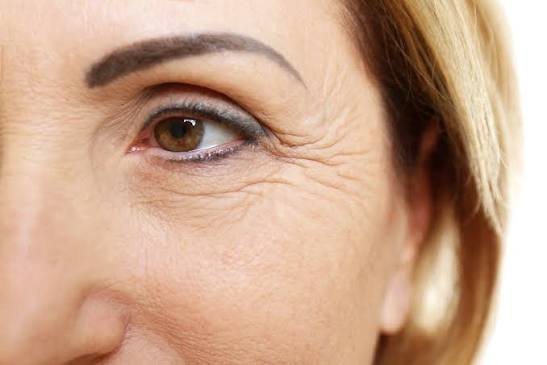
Fine lines
Depending on the product and treatment approach, improvements in the appearance of fine lines may also be observed.
A 2020 study involving three sessions of non-crosslinked HA injections reported improvements in skin elasticity and relative hydration, with adverse effects described as mostly mild and temporary.
The important word here is improvements, not perfection.
Skinboosters don’t stop the aging process, erase every line or transform someone’s skin overnight.
When Do Skinbooster Results Appear?
Another common misconception is that injectable treatment automatically produces its final result immediately.
In reality, the timeline depends on the specific product, treatment protocol and individual.
There can also be temporary effects following injections, such as redness, swelling or bruising. These effects are part of the procedure and shouldn’t be confused with the eventual cosmetic result.
Research has examined skin quality at different points following treatment. For example, one study evaluating non-crosslinked HA reported improvements at follow-up periods after treatment rather than relying solely on an immediate assessment.
This is why before-and-after photographs are generally more useful when the time between the photographs is clearly stated.
How Long Do Skinboosters Last?
There isn’t a single number that applies to every skinbooster.
The duration of an aesthetic result can depend on the particular formulation, the treatment protocol, the area treated and the individual.
Some skinbooster protocols involve an initial series followed by maintenance treatments. An expert consensus concerning a specific non-animal stabilized HA skinbooster protocol described an initial course of up to three treatments followed by maintenance.
That doesn’t mean every HA skinbooster should follow the same schedule.
Always look at the information for the specific product rather than assuming that one treatment schedule applies to every injectable.
What Happens During Recovery?
One of the advantages people associate with skinboosters is that they are minimally invasive compared with surgical procedures.
However, “minimally invasive” does not mean “risk-free.”
Temporary reactions can include:
- Redness
- Swelling
- Bruising
- Tenderness
- Pain
- Itching
The FDA notes that these types of reactions commonly occur following dermal filler injections and often resolve within days to weeks.
Individual products can have their own specific safety information, so someone considering treatment should ask the healthcare professional for the relevant patient information.
What Are the Risks?
This is the part that shouldn’t be buried at the bottom of an article.
Injectable aesthetic treatments are medical procedures.
Although many reactions are temporary, complications can occur.
More serious complications can include infection, inflammatory reactions, nodules and unintended injection into a blood vessel.
The FDA identifies accidental injection into a blood vessel as the most serious potential complication of dermal fillers because it can result in tissue damage and, in rare cases, serious problems such as vision loss or stroke.
That doesn’t mean these complications are inevitable. It means they are important enough that anyone considering injectable treatment should understand them beforehand.
Who Should Perform the Treatment?
This is arguably more important than the brand name on the box.
Injectable fillers and skinboosters should be treated as medical procedures, not ordinary beauty treatments.
The FDA recommends working with a licensed healthcare professional who has appropriate training and experience with dermal fillers, understands facial anatomy and knows how to manage complications.
A consultation should be an opportunity to ask questions, not simply an appointment where someone immediately starts injecting.
Questions Worth Asking Before Treatment
Someone considering a skinbooster can take a simple list of questions to their consultation.
About the product
-
What exactly is the product?
-
What is the active ingredient?
-
Is it crosslinked or non-crosslinked HA?
-
What areas is this particular product intended for?
-
What regulatory approvals or authorizations does it have in my country?
About the practitioner
-
What professional qualification do you have?
-
How much experience do you have with injectable treatments?
-
What training have you completed?
-
How do you manage complications if they occur?
About the expected result
-
What improvement is realistic for my skin?
-
How many treatments might be recommended?
-
When should results be assessed?
-
How long might the improvement remain noticeable?
About safety
-
What side effects are common?
-
What complications are possible?
-
What symptoms would require urgent medical attention?
-
What aftercare information will I receive?
A good practitioner should be comfortable answering these questions.
Skinboosters Aren’t a Substitute for Good Skincare
Another misconception is that receiving an injectable treatment means everyday skincare no longer matters.
It doesn’t.
Sun protection, appropriate cleansing, moisturization and other basic skincare habits remain important regardless of whether someone has had an aesthetic procedure.
Skinboosters may be one component of a broader approach to skin health and appearance.
They aren’t a replacement for protecting the skin from ultraviolet radiation or maintaining a sensible skincare routine.
The Bottom Line
Hyaluronic acid skinboosters are injectable treatments designed primarily around skin quality, rather than dramatic changes in facial volume.
Research suggests that injectable HA can improve characteristics such as hydration, elasticity, firmness, texture and radiance in some patients.
But realistic expectations matter.
The treatment isn’t guaranteed to produce the same result for everyone, and “skinbooster” isn’t a single standardized product. Different formulations and treatment approaches can have different indications, evidence and safety information.
Most importantly, injectable treatment should be approached as a medical procedure.
If you’re considering it, don’t choose solely on photographs, testimonials or a product’s popularity. Find out exactly what product is being proposed, why it is being recommended, what the realistic benefits and risks are, and whether the person performing the treatment is appropriately qualified.
That’s ultimately what a good skinbooster consultation should accomplish: you should understand what you’re considering before you decide whether it’s right for you.
