
Fillers and Injectables
HArmonyCa Side Effects, Risks & FDA Approval: What You Should Know
Nov
Before considering any injectable cosmetic treatment, one question should always come before the promise of results:
How safe is it?
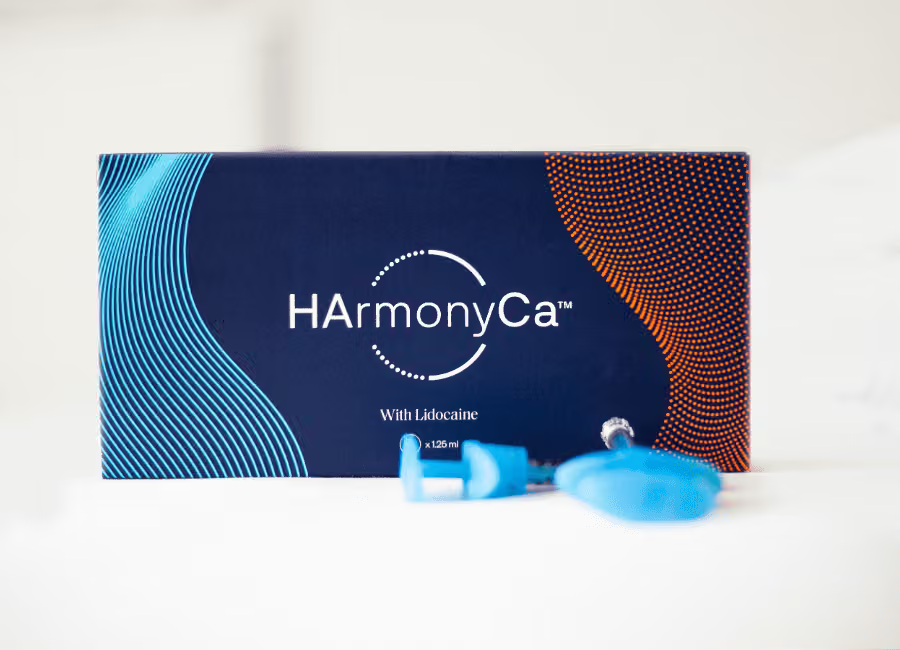
HArmonyCa has attracted attention because it combines two ingredients in one injectable treatment: hyaluronic acid (HA) and calcium hydroxyapatite (CaHA). The product is designed to provide an earlier lifting effect while also supporting longer-term collagen production.
But like every injectable treatment, HArmonyCa comes with potential side effects and risks.
Another question people often ask is whether HArmonyCa is FDA approved.
The answer requires a little context because medical products can have different regulatory approvals depending on the country where they are sold.
This guide explains the common side effects, potential risks and what you should know about HArmonyCa’s regulatory status.
What Are the Common Side Effects of HArmonyCa?
Most injectable treatments can cause temporary reactions around the injection site. According to HArmonyCa's official product information, common side effects may include:- Redness.
- Swelling.
- Pain or discomfort.
- Tenderness.
- Itching.
What Are the More Serious Risks of HArmonyCa?
Although serious complications are less common, they are an important part of any honest discussion about injectable treatments.
The product’s official instructions warn against injecting HArmonyCa into blood vessels. Accidental intravascular injection can cause serious complications, including blockage of blood flow and damage to affected tissue. Rare but serious complications reported with facial soft-tissue fillers can also include vision impairment and other severe injuries.
Other potential complications associated with dermal fillers and calcium hydroxyapatite-based injectables may include:
- Infection.
- Persistent nodules or lumps.
- Inflammatory reactions.
- Allergic reactions.
- Migration of the material.
- Skin damage or tissue injury in serious cases.
The full list of risks and precautions should be reviewed with a qualified healthcare professional before treatment.
Why Does the Person Performing the Treatment Matter?
The safety of an injectable treatment is about more than the product itself.
HArmonyCa is placed beneath the skin, and the face contains a complex network of blood vessels, nerves and other structures.
A qualified healthcare professional should understand:
- Facial anatomy.
- The product’s intended use.
- Appropriate injection techniques.
- Patient selection.
- How to recognize and manage complications.
This is especially important because HArmonyCa is not a simple, fully reversible filler.
The product contains hyaluronic acid, which may be broken down with hyaluronidase in some circumstances. However, it also contains calcium hydroxyapatite, which cannot simply be dissolved in the same way.
That makes careful product selection and treatment planning particularly important.
Who May Not Be a Suitable Candidate for HArmonyCa?
Not everyone is an appropriate candidate for an injectable treatment.
Official HArmonyCa information lists several situations in which the product may not be suitable, including people with certain allergies or sensitivities, active infection or inflammation near the treatment area, and pregnancy or breastfeeding. The product is also not intended for people under 18.
A healthcare professional should review an individual’s medical history and current circumstances before deciding whether treatment is appropriate.
This article is intended to provide general information and should not replace an individual medical consultation.
Is HArmonyCa FDA Approved?
This is where it is important to be precise.
Regulatory approval is country-specific. A product authorized in one country is not automatically approved in another.
HArmonyCa has been authorized for use in some markets. For example, Allergan Aesthetics announced Health Canada authorization in May 2026, and the product is marketed as a regulated, CE-marked medical device in certain European markets.
However, based on the current information reviewed for this article, HArmonyCa should not be described as FDA-approved in the United States unless an official FDA authorization specifically confirms that status.
This distinction matters.
A product's regulatory status can affect how it is legally marketed and used in different countries. If you are researching HArmonyCa in the United States, check the most current information from the FDA and discuss available treatment options with a qualified healthcare professional.
Does FDA Approval Automatically Mean a Treatment Is Risk-Free?
No.
Even products that have been reviewed and authorized by regulatory agencies can have side effects and risks.
Regulatory approval or authorization means a product has met specific requirements for a particular market and intended use. It does not mean that every individual will experience the same results or that complications are impossible.
The same principle applies to HArmonyCa and other injectable treatments.
The product, the patient, the treatment area and the person performing the procedure can all affect safety and outcomes.
What Should You Do If You Experience Concerning Symptoms?
After an injectable treatment, temporary redness, tenderness or swelling may occur.
However, symptoms that are severe, worsening or unusual should be assessed promptly by a qualified healthcare professional.
Any sudden change in vision following a facial injectable procedure requires immediate emergency medical attention.
Do not attempt to manage a suspected serious complication yourself.
The treating practitioner should provide information about what to expect after treatment and who to contact if you have concerns.
Frequently Asked Questions
What are the most common HArmonyCa side effects?
Common reactions can include redness, swelling, pain, tenderness and itching around the injection area. These reactions are often temporary, although recovery can vary between individuals.
Is HArmonyCa completely reversible?
No. HArmonyCa contains hyaluronic acid and calcium hydroxyapatite. While the hyaluronic acid component may be broken down in certain circumstances, the calcium hydroxyapatite component cannot simply be dissolved.
Is HArmonyCa FDA approved?
Regulatory status varies by country. HArmonyCa has authorization in some markets, including Canada, but it should not be described as FDA-approved in the United States without confirmation from an official FDA source.
Is HArmonyCa safe?
HArmonyCa has been evaluated for use as a regulated injectable product, but no injectable treatment is completely risk-free. Individual suitability and treatment by an appropriately qualified healthcare professional are important.
Final Thoughts
HArmonyCa offers a different approach to facial injectables by combining hyaluronic acid and calcium hydroxyapatite.
However, its potential benefits should always be considered alongside its possible side effects and risks.
Common reactions include redness, swelling, tenderness, pain and itching. More serious complications are less common but can occur, particularly if an injectable product affects a blood vessel or causes another significant adverse reaction.
The question of FDA approval also deserves a careful answer. HArmonyCa is authorized in certain international markets, but regulatory status is not universal and should always be checked for the country where treatment is being considered.
The most informed approach is to look beyond brand popularity and marketing claims. Understanding the product’s risks, limitations and regulatory status and discussing them with an appropriately qualified healthcare professional can help people make a more informed decision.
Other Related Articles:
- HArmonyCa vs Sculptra: Which One Is Right for You?
- HarmonyCa vs Radiesse: Key Differences Explained
- How Long Does HArmonyCa Last? Results, Longevity & What to Expect
