
Fillers and Injectables
How Much Botox Do You Actually Need? Cost, Value and Natural-Looking Results

Nov
One of the first questions people ask before getting Botox is simple:
How much will I actually need?
The next question is usually about price.
You might see one clinic advertising a very low price while another charges significantly more for what appears to be the same treatment. At the same time, many people worry about getting too much Botox and ending up with a face that looks stiff or “frozen.”
The truth is that Botox treatment is not one-size-fits-all.
The number of units you may need depends on several factors, including the area being treated, your muscle strength, facial anatomy and the type of result you want.
Understanding these factors can help you look beyond the cheapest price and make a more informed decision about treatment.
How Much Botox Do You Actually Need?
There is no single number of Botox units that is right for everyone.
Botox is a prescription medicine, and the amount used should be determined by an appropriately qualified healthcare professional.
Several factors can influence how much product is recommended.

The area being treated
Different facial areas may require different treatment approaches.
Common areas people ask about include:
-
Horizontal forehead lines.
-
Lines between the eyebrows.
-
Crow's feet around the eyes.
Each area has different muscles and treatment goals.
Treating one area does not necessarily mean you will need the same amount of Botox as someone treating another area.
Your muscle strength
People have different muscle strength and movement patterns.
Someone with stronger facial muscles may require a different treatment plan from someone whose muscles produce less noticeable movement.
This is one reason copying the number of units used by a friend or someone online is not a reliable way to plan your own treatment.
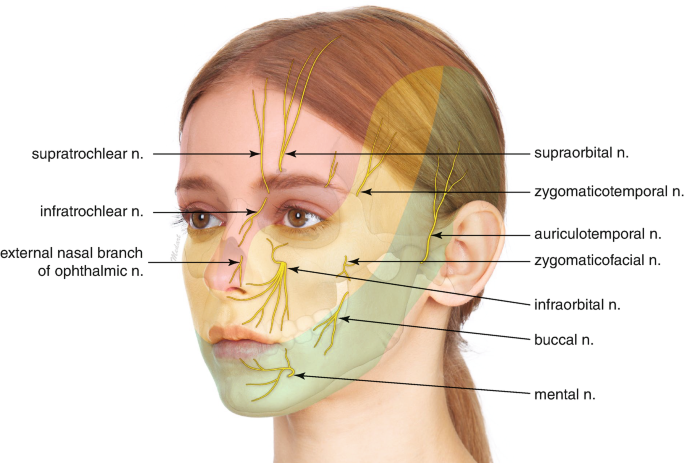

Your facial anatomy
Every face is different.
The placement and activity of facial muscles can influence how a practitioner approaches treatment.
A qualified injector should assess your facial movement rather than simply using the same number of units for every patient.
The result you want
Some people want to maintain some natural movement, while others may prefer a stronger reduction in muscle movement.
These preferences can affect the treatment plan.
However, more Botox is not automatically better. The goal should be an appropriate result for the individual.
Why You Shouldn’t Focus Only on the Number of Units
It is easy to compare Botox treatments by asking who uses the fewest units or who charges the lowest price.
But the number of units alone does not tell the whole story.
A lower number of units may not provide the same result for every person. On the other hand, using more than is appropriate does not guarantee a better outcome.
The quality of the assessment, the treatment plan and the injector’s understanding of facial anatomy all matter.
The goal should be to use an appropriate amount of product for the individual not simply the smallest or largest possible number.
Why Cheaper Botox Might Not Be a Good Deal
A low price can be tempting, especially when Botox treatments can be expensive.
But it is worth asking what is behind the price.
A legitimate treatment involves more than the cost of the product itself.
The price may reflect:
- The qualifications and experience of the provider.
- The consultation and facial assessment.
- The authenticity and proper handling of the product.
- The clinical setting.
- Follow-up care, where appropriate.
A very low advertised price does not automatically mean something is wrong. Clinics can have different pricing structures and promotions.
However, an unusually cheap treatment is a good reason to ask questions.
For example:
- What product is being used?
- Is the price based on a specific number of units?
- Who will perform the injection?
- What qualifications and experience does the provider have?
- What happens if there is a concern after treatment?
The Importance of Authentic Products
Botox is a prescription medication and should be obtained and used through legitimate medical channels.
Patients should feel comfortable asking their provider about the product being used.
Choosing a reputable clinic and appropriately qualified healthcare professional is important for more than just getting a good cosmetic result.
Counterfeit or improperly handled injectable products can create additional safety concerns.
The lowest price may not represent the best value if important parts of safe treatment are missing.
Natural-Looking Botox vs the Frozen Look
One of the biggest fears people have is looking “frozen” after Botox.
A natural-looking result does not necessarily mean that no change is visible.
Instead, many people want their face to look refreshed while still allowing normal facial expression.
The difference between a natural-looking result and an overly restricted appearance can depend on several factors.
The amount used
Using an amount that is appropriate for the individual is important.
Too much muscle relaxation in certain areas can reduce facial movement more than a person intended.
However, there is no exact number that automatically creates a natural result for everyone.
Where the Botox is placed
Placement matters just as much as the amount used.
Facial muscles work together, so an injector needs to understand how treating one area may affect movement in another.
Your personal goals
Some people prefer a very smooth appearance with minimal movement.
Others want to soften lines while keeping more natural expression.
Neither preference is automatically right or wrong.
The important thing is communicating your goals clearly before treatment.
Can You Ask for a Natural-Looking Result?
Yes.
Before treatment, explain what you are hoping to achieve.
You might tell your provider that you want to:
- Keep some natural facial movement.
- Soften the appearance of lines rather than eliminate them completely.
- Avoid an overly stiff appearance.
A qualified healthcare professional can explain what is realistic based on your facial anatomy and the treatment area.
It is also important to remember that results vary from person to person.
Before-and-after photos can be useful for understanding general possibilities, but they cannot predict exactly how your face will respond.
Is More Botox Better?
Not necessarily.
More units do not automatically mean better, longer-lasting or more natural-looking results.
Botox treatment should be individualised.
The aim is generally to use a treatment approach that matches the person’s anatomy and goals while considering appropriate safety and product information.
Receiving extra units simply because they are included in a discounted package may not be in your best interest if they are not needed for your treatment plan.
What Should You Ask Before Getting Botox?
A consultation is an opportunity to understand the treatment before making a decision.
Consider asking questions such as:
- What product will be used?
- What areas are being treated?
- Why is this treatment plan being recommended?
- What kind of result can I realistically expect?
- What are the possible side effects and risks?
- Who will perform the treatment and what are their qualifications?
You should also tell your provider about your medical history and any medications or treatments that could be relevant.
Frequently Asked Questions
How many units of Botox do I need?
There is no universal answer. The number of units depends on the treatment area, muscle strength, facial anatomy and the result you want. A qualified healthcare professional should determine an appropriate treatment plan.
Is cheaper Botox always bad?
No. A lower price does not automatically mean that a treatment is unsafe or poor quality. However, unusually low prices are a good reason to ask questions about the product, provider and what is included in the treatment.
Can Botox look natural?
Yes. Many people seek results that soften the appearance of lines while maintaining natural facial expression. The outcome depends on factors such as the treatment plan, placement and individual anatomy.
Does more Botox create better results?
Not necessarily. More units do not automatically produce better or more natural-looking results. The treatment should be based on the individual’s needs and goals.
Can you avoid a frozen look?
Discussing your goals with a qualified provider is an important first step. If maintaining natural movement is important to you, communicate this clearly during your consultation.
Final Thoughts
So, how much Botox do you actually need?
The honest answer is that it depends.
Your facial anatomy, muscle strength, treatment area and personal goals all play a role in determining an appropriate treatment plan.
The same principle applies when comparing prices. The cheapest Botox treatment is not always the best value if you do not know what product is being used, who is performing the treatment or what is included in the price.
And when it comes to the difference between natural-looking Botox and a frozen appearance, the goal should be clear communication and an individualised approach.
Rather than focusing only on the number of units or the lowest advertised price, take time to understand the treatment plan and choose an appropriately qualified healthcare professional.
A well-informed decision can help you set realistic expectations and focus on what matters most: a treatment approach that is appropriate for your individual needs and goals.
Other Related Articles:
- Bulk Dermal Fillers: Can Clinics Save Money?
- Best Dermal Fillers on the Market: Brands, Uses & Safety
